• course Info
  • Content
  • Ce Approvals

OMG[LP-1] RAs: The Sequel — Navigating Eating Disorder Care in the GLP-1 Era

CE Hours 1.5

About this course

As GLP-1 receptor agonists (think Ozempic, Zepbound, Weygovy) continue to grow in popularity and accessibility, eating disorder providers are increasingly encountering clients who are actively using—or considering using—them. This presentation serves as a follow-up to the 2024 session on the rise of GLP-1 receptor agonists, offering updated research, emerging clinical observations, and practical guidance for today’s treatment landscape. Attendees will receive a review of the new and evolving data related to GLP-1 RA's, alongside real-world experiences from providers working in eating disorder treatment as these medications become more frequently prescribed. The presentation will explore the unique risks, challenges, and ethical considerations inherent in supporting eating disorder recovery while GLP-1s are being used for intentional weight loss. Clinical strategies for supporting clients in treatment who are taking GLP-1 RA's will be discussed, including assessment considerations, treatment planning, interdisciplinary collaboration, and harm-reduction–informed approaches. Special attention will be given to factors providers must be aware of when navigating recovery in the context of appetite suppression, weight-focused messaging, and ongoing medical use of GLP-1s.

Learning Objectives

  • Describe current updates in GLP-1 receptor agonists, including changes in availability, prescribing practices, and prevalence of use for intentional weight loss, and explain how these shifts impact patients receiving eating disorder treatment across levels of care.
  • Identify and analyze the socio-cultural, systemic, and weight-stigmatizing pressures influencing patient interest in or use of GLP-1 medications, and evaluate how these forces may exacerbate eating disorder vulnerability, symptom maintenance, or recovery ambivalence.
  • Assess the potential physiological, psychological, and behavioral risks associated with GLP-1 use in individuals with eating disorders, including implications for nutritional adequacy, medical stability, and treatment engagement within higher levels of care.
  • Apply weight-inclusive, eating-disorder-informed clinical frameworks to collaboratively navigate GLP-1-related decision-making, interdisciplinary communication, and ethical boundary-setting while supporting recovery-oriented care.

Learning Levels

  • All Levels

Course Instructor(s)

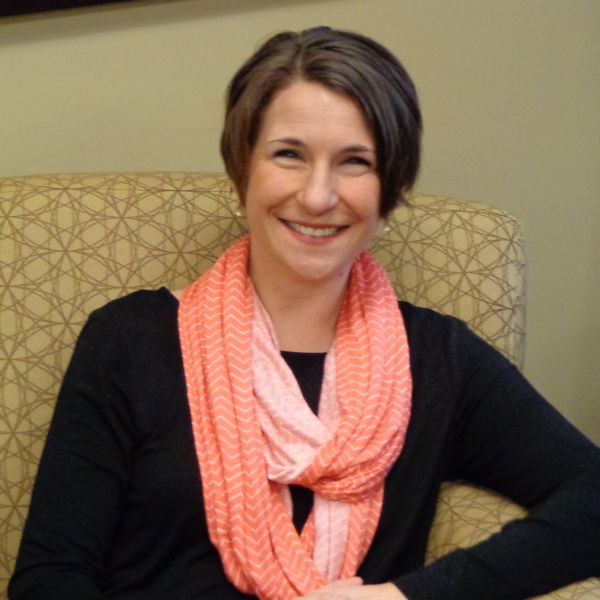
  • Stacy Schilter Pisano LMFT, CEDS-S

    Stacy Schilter Pisano is a Licensed Marriage and Family Therapist and Certified Eating Disorders Specialist with nearly two decades of experience supporting individuals and families affected by body dissatisfaction and disordered eating. A passionate advocate for weight-inclusive care, Stacy is committed to educating others, reducing size discrimination, and supporting individuals in divesting from diet culture. Since 2014, she has served as the director of The Emily Program's South Sound location in Olympia, Washington, overseeing a multidisciplinary team offering PHP, IOP, OP, and FBT services. Stacy also co-developed and supervises Accanto's CARE IOP, a virtual program for Binge Eating Disorder in Minnesota, Washington, and Ohio. Stacy is an accomplished public speaker and educator who has provided multiple enriching presentations while employed by Accanto, including within company, in the community and at conferences across the nation.

  • M. Hilmar Wagner, MPH, RDN, LN, CD

    Hilmar Wagner is a Registered Dietitian/Nutritionist (RDN), licensed in Minnesota and Washington State. Hilmar has experience working in a variety of clinical, outpatient, community, and management settings. Hilmar joined The Emily Program in 2006 and has served in a number of clinical and management roles, both at the site, regional and organization-wide levels. He currently serves as a Clinical Outreach Specialist. In this role Hilmar has presents on a wide range of eating disorder and related nutrition topics at local, regional, and national conferences. Hilmar received his bachelor’s degree in Nutrition/Dietetics and Master’s in Public Health Nutrition from the University of Minnesota. He has worked in the field of eating disorders for the past 17 years. Hilmar has extensive experience working with clients of all eating disorder diagnoses in both individual and group settings. He has a particular interest in the application of mindfulness and body-centered, somatic approaches to the nutritional treatment of eating disorders.

References

  • Celletti F, Farrar J, De Regil L. World Health Organization Guideline on the Use and Indications of Glucagon-Like Peptide-1 Therapies for the Treatment of Obesity in Adults. JAMA. 2026;335(5):434–438. doi:10.1001/jama.2025.24288
  • Rubin R. Data on 3 New GLP-1 Drugs for Weight Loss That May Be Approved This Year. JAMA. 2026;335(8):653–655. doi:10.1001/jama.2026.0287
  • Haoyang Guo, Juan Yang, Jihan Huang, Ling Xu, Yinghua Lv, Yexuan Wang, Jiyuan Ren, Yulin Feng, Qingshan Zheng, Lujin Li, Comparative efficacy and safety of GLP-1 receptor agonists for weight reduction: A model-based meta-analysis of placebo-controlled trials. Obesity Pillars, Volume 13,2025
  • Gigliotti L, Warshaw H, Evert A, Dawkins C, Schwartz J, Susie C, Kushner R, Subramanian S, Handu D, Rozga M. Incretin-Based Therapies and Lifestyle Interventions: The Evolving Role of Registered Dietitian Nutritionists in Obesity Care. J Acad Nutr Diet. 2025 Mar;125(3):408-421. doi: 10.1016/j.jand.2024.10.023. Epub 2024 Nov 7. PMID: 39521378.
  • Puhl RM, Heuer CA. Obesity stigma: important considerations for public health. Am J Public Health. 2010 Jun;100(6):1019-28. doi: 10.2105/AJPH.2009.159491. Epub 2010 Jan 14. PMID: 20075322; PMCID: PMC2866597.
  • Allison, KC, Chao, AM, Bruzas, MB, et al. A pilot randomized controlled trial of liraglutide 3.0 mg for binge eating disorder. Obes Sci Pract. 2023; 9(2): 127-136. https://doi.org/10.1002/osp4.619.
  • Bartel, S., McElroy, S. L., Levangie, D., & Keshen, A. (2024). Use of glucagon-like peptide-1 receptor agonists in eating disorder populations. The International journal of eating disorders, 57(2), 286–293. https://doi.org/10.1002/eat.24109.
  • Beach EC, De Jesus O. (2023). Ileus. Treasure Island (FL): StatPearls Publishing. https://www.ncbi.nlm.nih.gov/books/NBK558937/.
  • Da Porto, A., Casarsa, V., Colussi, G., Catena, C., Cavarape, A., & Sechi, L. (2020). Dulaglutide reduces binge episodes in type 2 diabetic patients with binge eating disorder: A pilot study. Diabetes & metabolic syndrome, 14(4), 289–292. https://doi.org/10.1016/j.dsx.2020.03.009.
  • DiLonardo, M. J., & Dansinger, M. (2023). Hypoglycemia (low blood sugar): Symptoms, causes, treatment, Diet. WebMD. https://www.webmd.com/diabetes/hypoglycemia-overview.
  • Dennis, Kim. (2025). GLP-1 Receptor Agonists and Eating Disorders. NEDA. https://www.nationaleatingdisorders.org/glp-and-eating-disorders/
  • Richards, J., Bang, N., Ratliff, E. L., Paszkowiak, M. A., Khorgami, Z., Khalsa, S. S., & Simmons, W. K. (2023). Successful treatment of binge eating disorder with the GLP-1 agonist semaglutide: A retrospective cohort study. Obesity pillars, 7, 100080. https://doi.org/10.1016/j.obpill.2023.100080.
  • Robert, S. A., Rohana, A. G., Shah, S. A., Chinna, K., Wan Mohamud, W. N., & Kamaruddin, N. A. (2015). Improvement in binge eating in non-diabetic obese individuals after 3 months of treatment with liraglutide – A pilot study. Obesity research & clinical practice, 9(3), 301–304. https://www.sciencedirect.com/science/article/abs/pii/S1871403X1500037X?via%3Dihub.

CE Process Info

Content

  • Materials
    8 parts
    • Powerpoint Deck
    • MSSI-GLP1-Informed-Consent
    • Guide for Discussing GLP1s with Clients
    • GLP-1RAs and Eating Disorder Treatment
    • Handout - Provider Questions for Clients Considering GLP-1s for WL
    • Handout - Compounded GLP-1s
    • Handout - Questions to Ask Oneself When Considering a GLP-1
    • GLP-1 Article Link
  • Recordings
    1 parts
    • Video recording 1
  • American Psychological Association (APA)

    The Emily Program is approved by the American Psychological Association to sponsor continuing education for psychologists. The Emily Program maintains responsibility for this program and its content.

  • National Board for Certified Counselors (NBCC)

    The Emily Program has been approved by NBCC as an Approved Continuing Education Provider, ACEP no. 7166. Programs that do not qualify are clearly identified. The Emily Program is solely responsible for all aspects of the programs.

OMG[LP-1] RAs: The Sequel — Navigating Eating Disorder Care in the GLP-1 Era
You Have Completed This course
Free
You are enrolled
  • CE Hours
    1.5
  • Type
    Self-Paced
  • Publication Date
    Apr 10th, 2026

Reset password


Reset your password by providing your email below


Next

We sent a reset password link to the email address you provided.


{{reset.email}}


If you do not see the email, try checking your junk or spam folder.


If you don't receive a link in the email you provided, please click the button below to resend the verification email.

Resend

Please wait {{timer}} seconds to resend


Next

Sign in


Enter your email to get started.


Next

Sign in


Good news! Your email is associated with an account. Enter your password or click here to reset it


Login

Thanks for signing up!


We sent an verification email to the address you provided. Please check your email to verify your email address.


{{signup.email}}


If you do not see the email, try checking your junk or spam folder.


If you don't receive a link in the email you provided, please click the button below to resend the verification email.


Resend

Please wait {{timer}} seconds to resend

Sign up


Sign up

Shopping Cart


Items
Price
Remove
  • {{ item.name }} ({{ item.courses.length }} courses)

    {{ item.credit_hours }} Credits
    {{ item.coupons.map((c)=> c.code).join(', ') }}
    ${{ item.totals.price }}
    ${{ item.totals.total_price }}
Apply


Cart is empty

Thank you for your purchase


To access the course content, click the button below. Enrolled courses may be accessed at any time by going to your Account and clicking Courses


Go to Course

Thank you for your purchase

To access your courses, please click the button below. Enrolled courses may be accessed at any time by going to your Account and clicking either Events or Courses


My Account

Payment

{{$store.state.payment.paymentErrorMessage }}
Pay now