
• course Info
  • Content
  • Ce Approvals

Self-monitoring: The multidisciplinary use of diary cards to enhance treatment

CE Hours 1

About this course

Self-monitoring is a key component in many evidenced based practices, including in CBT and DBT. However, this is an often underutilized and underprioritized intervention by providers across disciplines. This training will highlight the benefits of using self-monitoring logs and dairy cards, explore how providers across the multidiscipline team can utilize self-monitoring to enhance treatment and explore common pitfalls and barriers to their usage. This training will address how therapists, dieticians, medical providers, psychiatric providers, and BHS staff can utilize self-monitoring to support a client’s eating disorder recovery.
Learning Objectives

  • Identify the key components on self-monitoring sheets/diary cards and identify their role in supporting clients in utilizing them to support their treatment.
  • Identify 3 strategies to problem solve non-adherence with completing self-monitoring sheets/diary cards.
  • Identify at least 5 ways to individualize self-monitoring sheets/diary cards to address a client's intersectional identities and target behaviors that impact their recovery process.

Learning Levels

  • Beginner

Target Audience

This educational program is designed for mental health professionals, dietitians, social workers, and health care providers.

Course Instructor(s)

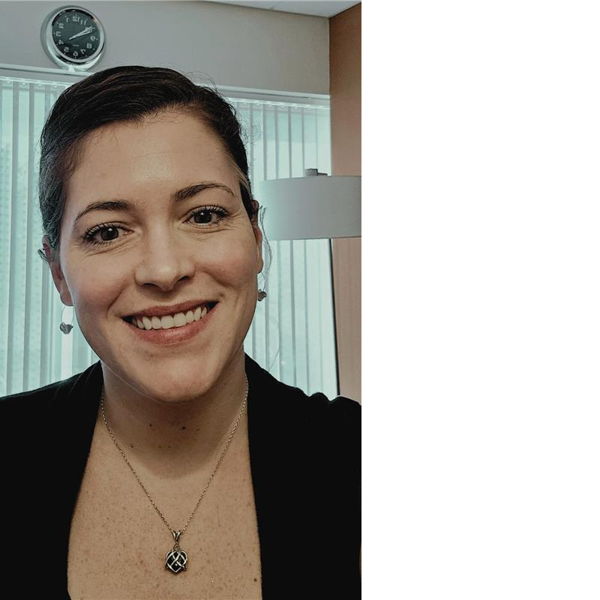
  • Katherine McMahon, MSSA, LISW-S, CPACC

    Katherine (Katie) McMahon (she/her/hers), MSSA, LISW-S, CPACC is a Clinical Trainer for Accanto Health and works as an outpatient therapist at The Emily Program location in Cleveland, Ohio. She has been working in the field of eating disorder treatment since 2015 and concentrates on the utilization of CBT-E for adults. Katie has a special interest in working with clients who are diagnosed with Binge Eating Disorder (BED), those who are experiencing body image issues, explore ways to increase inclusive care for marginalized populations and exploring the intersection between chronic health conditions/disability and eating disorders. Katie has experience providing individual therapy and group therapy in both outpatient and higher level of care settings and also serves as a licensure supervisor for social workers in both adult and adolescent residential and PHP settings. As a clinical trainer, Katie has a passion for all things CBT and supporting new and seasoned staff through onboarding, supervision, a bi-weekly CBT-E consult group and a weekly ED fundamentals group for the Midwest region. Katie is also a member of the International Association of Accessibility Professionals and is a Certified Professional in Accessibility Core Competencies. Prior to her work at TEP, Katie worked in community mental health as both a case manager and a Program Manager, a hospital setting and a free clinic. Katie has a bachelor’s degree in Social Work from Bowling Green State University and completed her graduate education at the Case Western Reserve University Mandel School of Applied Social Sciences with a concentration on medical social work.

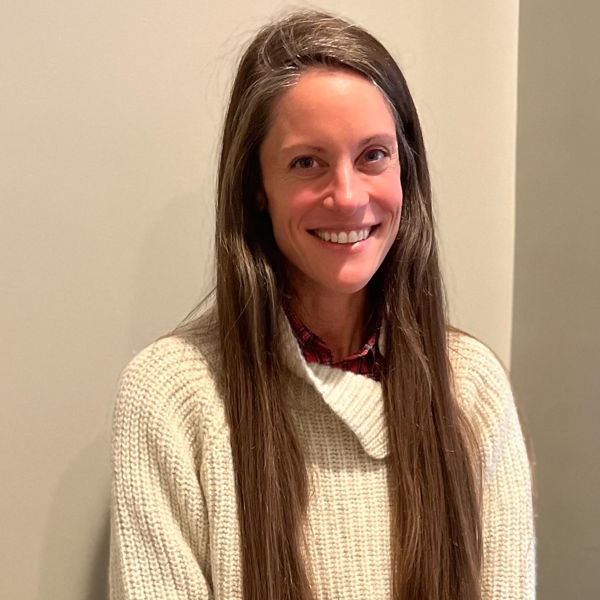
  • Elysse Miller

    Elysse Thebner Miller, MPH, RDN, LDN, CEDS-C, is a registered dietitian with fifteen years of clinical and supervisory experience treating eating disorders across the lifespan in inpatient and outpatient settings. She co-authored DBT Principles and Strategies in the Multidisciplinary Treatment of Eating Disorders, published 2024, with Spanish translation expected 2025. She is currently the Regional Nutrition Manager of North Carolina with The Emily Program.

References

  • “The CBT Technique That’s Overlooked, Undervalued, And Essential: Why Is Self-Monitoring So Important?” Psychology Tools, 2 Mar. 2022, https://www.psychologytools.com/articles/the-cbt-technique-thats-overlooked-undervalued-and-essential-why-is-self-monitoring-so-important.
  • Weissman, R.S., Bauer, S. and Thomas, J.J. (2020), Access to evidence-based care for eating disorders during the COVID-19 crisis. Int J Eat Disord, 53: 639-646. https://doi.org/10.1002/eat.23279
  • Persons, J.B. (2008) The Case Formulation Approach to Cognitive-Behavior Therapy. Guildford Press, London.
  • Bailey-Straebler S, Glasofer DR, Ojeda J, Attia E. Equitable access to evidence-based treatment for eating disorders for patients with low-income: identifying barriers and exploring solutions. The Cognitive Behaviour Therapist. 2024;17:e5. doi:10.1017/S1754470X24000023
  • Jessica A. Chen, Eliot Fearey, Ronald E. Smith (2017) “That Which is Measured Improves”: A Theoretical and Empirical Review of Self-Monitoring in Self-Management and Adaptive Behavior Change. Journal of Behavior Therapy and Mental Health - 1(4):19-38. https://doi.org/10.14302/issn.2474-9273.jbtm-16-1180

CE Process Info

Content

  • Materials
    2 parts
    • Self-Monitoring Resources
    • Video recording
  • National Board for Certified Counselors (NBCC)

    The Emily Program has been approved by NBCC as an Approved Continuing Education Provider, ACEP no. 7166. Programs that do not qualify are clearly identified. The Emily Program is solely responsible for all aspects of the programs.

  • American Psychological Association (APA)

    The Emily Program is approved by the American Psychological Association to sponsor continuing education for psychologists. The Emily Program maintains responsibility for this program and its content.

Self-monitoring: The multidisciplinary use of diary cards to enhance treatment
You Have Completed This course
Free
You are enrolled
  • CE Hours
    1
  • Type
    Self-Paced
  • Publication Date
    May 19th, 2025

Reset password


Reset your password by providing your email below


Next

We sent a reset password link to the email address you provided.


{{reset.email}}


If you do not see the email, try checking your junk or spam folder.


If you don't receive a link in the email you provided, please click the button below to resend the verification email.

Resend

Please wait {{timer}} seconds to resend


Next

Sign in


Enter your email to get started.


Next

Sign in


Good news! Your email is associated with an account. Enter your password or click here to reset it


Login

Thanks for signing up!


We sent an verification email to the address you provided. Please check your email to verify your email address.


{{signup.email}}


If you do not see the email, try checking your junk or spam folder.


If you don't receive a link in the email you provided, please click the button below to resend the verification email.


Resend

Please wait {{timer}} seconds to resend

Sign up


Sign up

Shopping Cart


Items
Price
Remove
  • {{ item.name }} ({{ item.courses.length }} courses)

    {{ item.credit_hours }} Credits
    {{ item.coupons.map((c)=> c.code).join(', ') }}
    ${{ item.totals.price }}
    ${{ item.totals.total_price }}
Apply


Cart is empty

Thank you for your purchase


To access the course content, click the button below. Enrolled courses may be accessed at any time by going to your Account and clicking Courses


Go to Course

Thank you for your purchase

To access your courses, please click the button below. Enrolled courses may be accessed at any time by going to your Account and clicking either Events or Courses


My Account

Payment

{{$store.state.payment.paymentErrorMessage }}
Pay now